IT consulting & software engineering
Technology built to be understood, operated and trusted.
VESTA ADVISORY LIMITED helps organisations design, build and maintain software and infrastructure that stays clear and dependable long after launch.
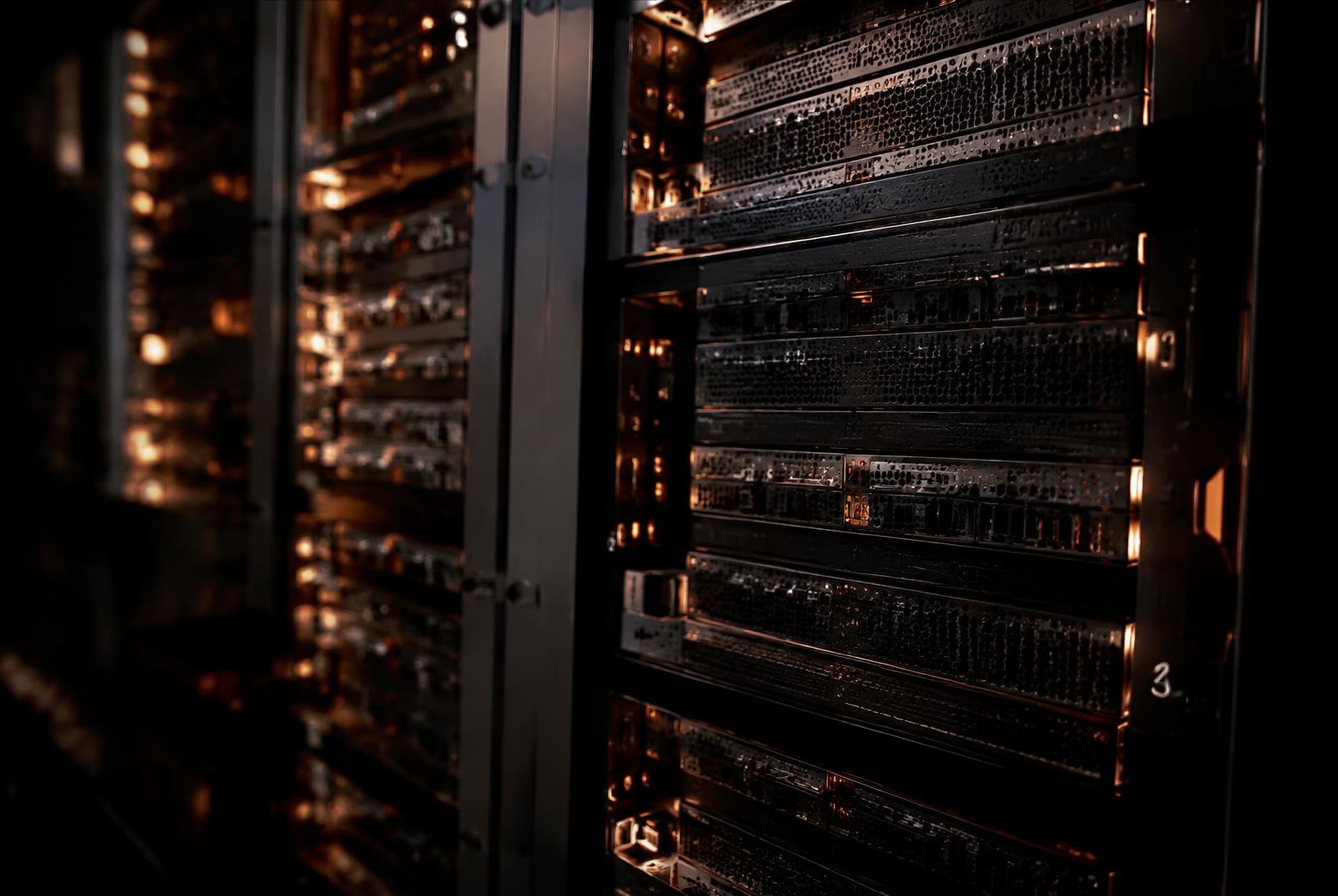
Fig. 01 — Infrastructure, illustrative
01 — Introduction
An engineering partner focused on the long term.
We work with businesses that depend on software but do not want technology to become a source of uncertainty. Our role is to make systems clearer: easier to change, easier to secure and easier to run.
That means careful discovery before building, honest discussion of trade-offs, and delivery practices that leave your team with working systems and the knowledge to maintain them.
02 — Capabilities
Six disciplines, one coherent practice.
01
Software
Custom applications, APIs and internal tools.
02
Cloud
Architecture, migration and operational guardrails.
03
Security
Threat modelling, reviews and secure practices.
04
Data
Integration, pipelines and reliable reporting sources.
05
Automation
Removing repetitive manual work from operations.
06
Strategy
Architecture decisions and technology roadmaps.
03 — Software development
Software shaped around how you actually work.
We build web applications, APIs and internal tools that reflect real processes, with tests and documentation treated as part of the product.
- /Requirements captured as testable acceptance criteria
- /Incremental delivery with regular reviews
- /Automated testing and continuous integration
- /Clean handover with documentation

04 — Cloud & infrastructure
Cloud environments with clear structure and guardrails.
We design and modernise cloud and on-premise infrastructure so that environments are reproducible, access is controlled and costs are visible.
- /Infrastructure defined as code
- /Environment separation and access policies
- /Containerisation and CI/CD pipelines
- /Monitoring, logging and alerting

05 — Cybersecurity consulting
Practical security, prioritised by real risk.
Threat modelling
Identify where systems are exposed and which threats matter most.
Configuration review
Assess identity, access and infrastructure settings against secure baselines.
Secure development
Introduce dependency scanning, code review checks and secret management.
Incident readiness
Prepare clear procedures so teams know how to respond when issues occur.
06 — Data & automation
Connected data and fewer manual steps.
We integrate business systems, build reliable data pipelines and automate repetitive tasks, keeping human review where judgement matters.
- /Integration between existing applications
- /Validated data pipelines with clear error handling
- /Workflow and scheduled task automation
- /Audit logs for automated actions

07 — Strategy & architecture
Decisions that hold up over time.
Architecture is a series of trade-offs. We help leadership and engineering teams make them deliberately and record why.
Assess
Review current systems, dependencies, risks and team capacity.
Decide
Compare options with explicit trade-offs in cost, complexity and risk.
Plan
Translate decisions into a sequenced, realistic roadmap.
08 — Delivery process
A predictable rhythm from first conversation to handover.
- Step 01
Discover
We study the existing systems, constraints and goals, and agree on what success looks like in observable terms.
- Step 02
Define
Scope, priorities and acceptance criteria are written down so both sides share the same expectations.
- Step 03
Build
Work proceeds in small increments that can be reviewed, tested and adjusted as understanding improves.
- Step 04
Verify
Automated tests, code review and security checks are part of each increment, not a final phase.
- Step 05
Hand over
Documentation, runbooks and knowledge transfer ensure your team can operate what was delivered.
09 — Industries & challenges
Common problems across different sectors.

- Professional services
- Replacing spreadsheets and email chains with structured, auditable workflows.
- Retail and e-commerce
- Connecting storefronts, inventory and fulfilment systems so data stays consistent.
- Logistics
- Integrating tracking, scheduling and partner systems with clear error handling.
- Healthcare-adjacent services
- Designing systems where privacy and access control are first-class requirements.
- Financial operations
- Automating reconciliation and reporting while preserving review and audit trails.
- Growing digital products
- Stabilising early-stage codebases so they can scale with the team.
10 — Engineering principles
Quality and reliability as everyday habits.
Readable over clever
Code is written for the next person who maintains it.
Reversible steps
Changes are made in increments that can be rolled back safely.
Observable systems
Logging, metrics and alerts are designed in from the start.
Security by default
Least-privilege access and secure configuration are the baseline.
Documented decisions
Important trade-offs are recorded so their reasoning is not lost.
Honest estimates
Uncertainty is communicated openly rather than hidden in optimistic plans.
11 — Questions
Frequently asked questions.
What kinds of projects do you take on?
Software development, cloud and infrastructure work, security reviews, data integration, automation and architecture consulting. Engagements range from focused assessments to longer delivery work.
Can you work with our existing team?
Yes. Much of our work is done alongside in-house engineers, with shared repositories, reviews and documentation so knowledge stays with your organisation.
Do you only build new systems?
No. Improving, stabilising and modernising existing systems is a large part of what we do, often in small steps rather than complete rewrites.
How is scope agreed?
Through a written description of goals, deliverables and acceptance criteria, reviewed together before work begins and revisited as the project evolves.
Who owns the code and documentation?
Ownership terms are agreed in writing for each engagement. Our default aim is for clients to receive full access to the source and documentation produced for them.
How do we get in touch?
By email at a0919756140@gmail.com. Please describe your situation and what you would like to achieve.
12 — Contact
Write to us.
Company
VESTA ADVISORY LIMITED
a0919756140@gmail.com
Website
vestaadvisoryhub.com